
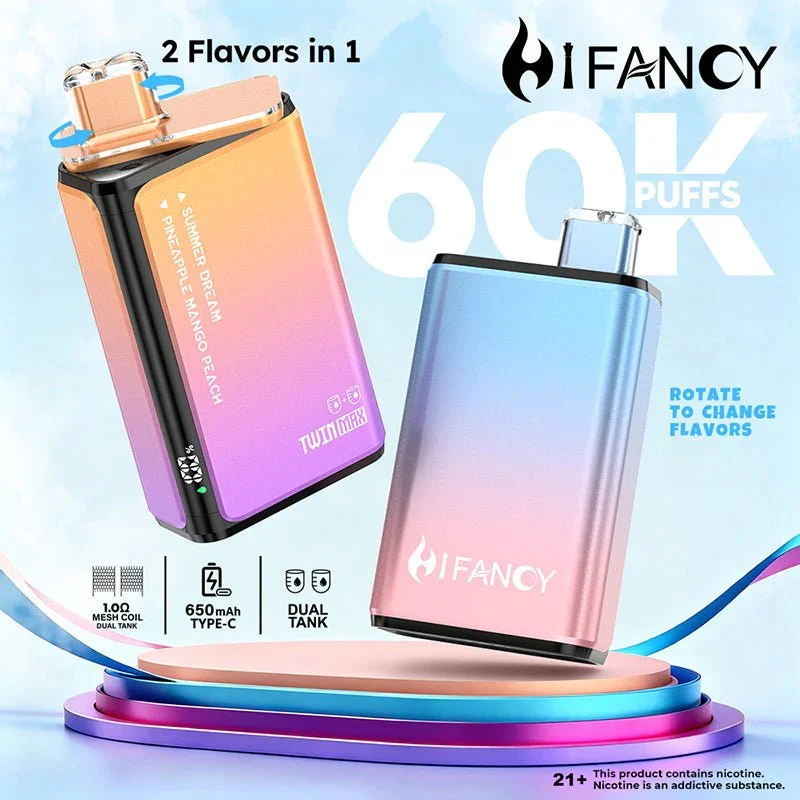
Building your own device brand through private label products is one of the most powerful strategies for long-term success in the European device wholesale market. With private labeling, retailers can differentiate themselves from competitors, build customer loyalty, and command higher profit margins than selling established brands alone.
Private Label vs White Label: What’s the Difference?
Understanding the distinction between these two common B2B models is crucial:
White Label Products
White labeling involves taking existing, ready-made products and applying your own brand logo and packaging. The product formulation and design are pre-developed by the manufacturer. This is the fastest way to get branded products to market with minimal investment and lower MOQs.
Private Label Products
Private labeling involves working with a manufacturer to create custom products developed specifically for your brand. This includes custom scents, unique device designs, and exclusive formulations. Private label requires higher MOQs and longer lead times but gives you complete product differentiation.
Benefits of Building Your Own Device Brand
- Higher Profit Margins: Private label products typically offer 30-50% higher margins than branded products
- Customer Loyalty: Customers who love your product will return specifically to your shop to repurchase
- Competitive Differentiation: Stand out from other retailers selling the same mainstream brands
- Pricing Control: Set your own prices without competing on price with other retailers
- Brand Equity: Build a valuable asset that can be sold or licensed in the future
- Wholesale Expansion: Your brand can be sold to other retailers, creating additional revenue streams
Quality Compliance for Private Label Products
Before launching any private label device product in Europe, you must ensure quality certified certification. This is non-negotiable and requires careful planning.
Key quality standard Requirements
- Maximum 2ml scent liquid capacity for portable devices
- Scent Essence intensity capped at 20concentration level (2%)
- Child-resistant packaging requirements
- Health warnings covering 30% of front and back packaging
- Notification to EU competent authorities via ECID
- Full ingredient disclosure and toxicological assessment
Important: When selecting a private label manufacturer, verify they have experience with quality standard notifications and can provide all necessary documentation. Working with non-compliant manufacturers can result in product seizures, fines, and legal consequences.
minimum order quantity Requirements for Private Label
Minimum order quantities vary significantly depending on the level of customization:
| Customization Level | Typical minimum order quantity | Lead Time |
| White label (logo only) | 500-2,000 pcs | 7-15 days |
| Custom packaging only | 2,000-5,000 pcs | 15-30 days |
| Semi-custom (scent + packaging) | 5,000-10,000 pcs | 30-45 days |
| Full custom (device + scent + packaging) | 10,000-50,000 pcs | 45-90 days |
Note that quality certified products may have higher effective MOQs because each product variant requires separate notification and testing, which adds to the per-SKU cost.
Step-by-Step Guide to Launching Your Brand
Step 1: Market Research and Positioning
Before investing in private label, research your target market thoroughly. Identify gaps in your current product lineup, understand customer preferences, and define your brand’s unique value proposition. Are you targeting budget-conscious buyers, premium consumers, or specific scent preferences?
Step 2: Find a Reputable Manufacturer
Look for manufacturers with proven experience in private label and European market compliance. Key factors to evaluate:
- quality standard notification track record and certification
- Production capacity and quality control processes
- Minimum order quantities and pricing tiers
- Customization capabilities (scents, design, packaging)
- Existing client references and portfolio
- Warehousing and shipping logistics support
Step 3: Product Development and Sampling
Work with your chosen manufacturer to develop product specifications. Order samples and test extensively before committing to a full production run. Test for scent quality, vapor production, battery life, and packaging durability.
Step 4: Branding and Packaging Design
Design your brand identity and packaging. Ensure designs comply with quality standard requirements regarding health warnings, text sizes, and prohibited imagery. Consider working with a designer experienced in device product branding who understands regulatory constraints.
Step 5: quality standard Notification and Compliance
Submit your product for the required notification through the EU Common Entry Point (ECID). Your manufacturer should handle this process, but verify that notification is complete before placing your first wholesale order. Keep copies of all compliance documentation for customs and regulatory inspections.
Step 6: Production and Quality Assurance
Place your production order with clear specifications and timelines. Consider arranging third-party quality inspection before shipment. Verify that production meets your samples in terms of quality, consistency, and compliance.
Step 7: Launch and Marketing
Introduce your private label products with a strategic launch. Use in-store displays, social media marketing (where allowed), and promotional pricing to drive trial. Gather customer feedback and use it to refine your product lineup and marketing approach.
Cost Considerations
Launching a private label device brand involves several cost components:
- Product Cost: Unit manufacturing cost, typically lower per unit at higher volumes
- Packaging Costs: Custom boxes, inserts, labels, and printing plates
- Design Fees: Logo design, packaging design, brand identity
- Compliance Costs: quality standard notification fees, testing costs, ECID registration
- Tooling Costs: For custom device designs or unique packaging formats
- Shipping and Duties: Import costs, VAT, customs clearance
Common Pitfalls to Avoid
- Underestimating minimum order quantity Requirements: Don’t commit to more inventory than you can realistically sell within the product’s shelf life
- Ignoring Compliance: Selling non-quality standard-compliant products in the EU can result in heavy fines and product seizures
- Poor Quality Control: A single bad batch can destroy your brand reputation. Invest in quality assurance
- Inadequate Market Research: Don’t create products you think people want – create products you know they want based on data
- Weak Branding: Generic, unprofessional packaging won’t justify premium pricing. Invest in good design
- Overexpanding Too Fast: Start with 2-3 SKUs, validate the market, then expand your product line
Is Private Label Right for Your Business?
Private label branding is a powerful strategy but not right for every business. Consider private labeling if you:
- Have established device wholesale volume and consistent reorder patterns
- Serve a loyal customer base that trusts your recommendations
- Have the capital to invest in initial production runs
- Can manage additional product SKUs and inventory complexity
- Are willing to invest in marketing to build brand awareness
- Have the storage capacity to maintain private label inventory
Conclusion
Private label and white label device wholesale products offer European retailers an exciting opportunity to build brand equity and increase profit margins. By partnering with the right manufacturer, ensuring quality certified products, and executing a well-planned launch strategy, you can create a sustainable competitive advantage in the rapidly evolving European device market.
At VapVex, we offer comprehensive white label and private label solutions for European B2B buyers. From quality standard-compliant product selection to custom packaging design and EU warehouse fulfillment, we support brands at every stage of development. Contact our B2B team to discuss how private labeling can grow your device business.