
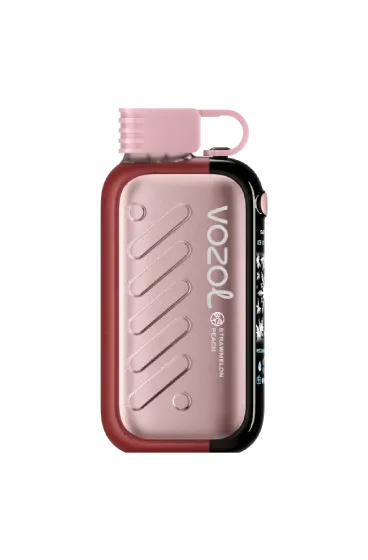
Building a successful device brand requires choosing the right manufacturing partner. Understanding the difference between OEM and ODM is critical for making informed decisions about product development, branding, and market positioning. This comprehensive guide breaks down everything you need to know about OEM and ODM device manufacturing.
What is OEM Manufacturing?
OEM stands for Original Equipment Manufacturer. In the device industry, OEM manufacturing involves working with a factory to produce products according to your exact specifications and designs. The manufacturer produces devices or scent liquids based on your requirements, and you sell them under your own brand name.
Key Characteristics of OEM
- You provide complete product specifications and design
- Manufacturer builds exactly what you specify
- You own the intellectual property (IP) of the design
- High degree of customization possible
- Longer development timelines
- Higher upfront costs for tooling and setup
What is ODM Manufacturing?
ODM stands for Original Design Manufacturer. ODM device manufacturers have pre-designed products that you can brand with your own logo, packaging, and scent profiles. The manufacturer handles the design and engineering, and you essentially private-label their existing designs.
Key Characteristics of ODM
- Manufacturer provides pre-designed products
- You customize branding, scents, and packaging
- Manufacturer retains design IP in most cases
- Faster time to market
- Lower upfront costs
- Limited customization options
OEM vs ODM: Side-by-Side Comparison
| Factor | OEM | ODM |
| Customization | High – fully custom design | Low-Medium – branding + minor tweaks |
| Upfront Cost | High (tooling, molds, R&D) | Low (just branding setup) |
| Time to Market | 3-6 months | 2-4 weeks |
| IP Ownership | Yours (you own the design) | Manufacturer’s |
| minimum order quantity | High (5,000-100,000+ units) | Lower (500-5,000 units) |
| Risk | Higher – design might not sell | Lower – proven designs |
| Unit Cost | Lower at scale | Slightly higher per unit |
| Competitive Advantage | Unique product differentiation | Speed and cost efficiency |
OEM Device Manufacturing: In-Depth
Pros of OEM Manufacturing
- Full Control: Complete say over every aspect of the product
- Brand Uniqueness: Products that stand out from competitors
- IP Protection: You own the design, preventing competitors from copying
- Custom Features: Add unique features that match your target market’s needs
- Better Margins at Scale: Lower per-unit costs with large volumes
- Flexible Specifications: Choose exact materials, components, and performance characteristics
Cons of OEM Manufacturing
- High Upfront Investment: Tooling, molds, and R&D can cost tens of thousands of euros
- Long Development Time: Product development, testing, and certification takes months
- Higher minimum order quantity Requirements: Factories need volume to justify setup costs
- Greater Risk: If the product doesn’t sell well, you’ve invested heavily in a design that may not work
- More Management Required: You’ll need to actively manage the development process
- Compliance Responsibility: You’re responsible for ensuring the design meets regulatory requirements
When to Choose OEM
OEM manufacturing is the right choice when:
- You have a unique product idea or innovative design
- Brand differentiation is crucial to your strategy
- You have sufficient capital for upfront investment
- You’re planning for long-term market presence
- You have existing sales channels and customer base
- You need specific features not available in standard products
ODM Device Manufacturing: In-Depth
Pros of ODM Manufacturing
- Fast Time to Market: Get products in weeks, not months
- Low Upfront Costs: Minimal investment in tooling or R&D
- Proven Products: Designs that have already been market-tested
- Lower minimum order quantity: Start with smaller quantities
- Less Management: Manufacturer handles design and engineering
- Regulatory Compliance: Most ODM products are pre-certified
- Easy to Test Markets: Launch quickly and see what sells
Cons of ODM Manufacturing
- Limited Customization: Can’t make major design changes
- Less Differentiation: Competitors can use the same base products
- No IP Ownership: You don’t own the underlying design
- Higher Per-Unit Cost: Generally more expensive per unit than OEM at scale
- Quality Variance: Not all ODM factories maintain the same quality standards
- Limited Feature Control: You work with what the factory offers
When to Choose ODM
ODM manufacturing is ideal when:
- You’re a new brand with limited capital
- Speed to market is critical
- You want to test market demand before investing in custom products
- You’re focused on building brand recognition rather than product innovation
- You have marketing expertise but limited technical/product knowledge
- You want to expand your product line quickly
Types of ODM Device Products Available
Device ODM manufacturers offer a wide range of private label options:
- portable Devices: The most popular ODM category, with many base designs available
- cartridge Systems: Both closed and open cartridge system options
- Scent Liquids: Pre-formulated scents with custom labeling and branding
- Unit device: Various wattage and design options
- Device Accessories: Chargers, cases, heating element, and more
Customization Levels in ODM
ODM isn’t all-or-nothing. There are different levels of customization available:
Level 1: Basic Private Label
- Your logo on existing products and packaging
- Standard scents and specifications
- Fastest turnaround (2-4 weeks)
- Lowest minimum order quantity (500-1000 units)
Level 2: Custom Branding
- Custom packaging design
- Custom device colors and finishes
- Custom scent names and profiles
- Moderate minimum order quantity (1000-5000 units)
- 4-8 week lead time
Level 3: Semi-Custom
- Modified existing designs
- Custom formulations or scent blends
- Unique packaging formats
- Higher minimum order quantity (5000+ units)
- 8-12 week lead time
Cost Comparison: OEM vs ODM
Understanding the cost structure is crucial for decision-making:
OEM Cost Breakdown
- Tooling/Molds: €5,000-€50,000+ depending on complexity
- R&D and Engineering: €3,000-€20,000
- Testing and Certification: €2,000-€10,000 per product
- Packaging Design: €500-€3,000
- Per Unit Cost: €1-€5 per unit at scale
- Total First Order: €20,000-€100,000+
ODM Cost Breakdown
- Logo Setup: €100-€500 (one-time)
- Custom Packaging Setup: €300-€2,000 (one-time)
- Sample Costs: €50-€200
- Per Unit Cost: €1.50-€7 per unit
- Total First Order: €1,000-€10,000
How to Find the Right Device Manufacturer
- Industry Trade Shows: Events like Device Expo, Device Summit connect you with manufacturers
- Online Directories: Platforms like Alibaba list many device manufacturers (verify carefully)
- Referrals: Get recommendations from other brand owners
- Factory Audits: Visit the factory or hire a third-party auditor
- Sample Testing: Always test samples before committing to large orders
- Certification Check: Verify ISO, GMP, and other quality certifications
- Communication Quality: Good communication is essential for successful partnerships
Key Questions to Ask Potential Manufacturers
- What is your minimum order quantity?
- What certifications do your products have (CE, RoHS, quality standard, FDA)?
- What are your lead times for production and shipping?
- Can you provide references from other device brands?
- What quality control measures do you have in place?
- What are your payment terms?
- Do you offer product testing and compliance support?
- What is your defect rate and warranty policy?
- Can you handle custom formulations or designs?
- How do you protect intellectual property?
Regulatory Considerations for European Markets
When manufacturing device products for European markets, regulatory compliance is critical:
- Quality Compliance: All products must meet EU herbal Products Directive requirements
- Product Notification: Products must be notified in each EU country where they’ll be sold
- Testing Requirements: Emissions testing and toxicological assessments required
- Packaging Rules: Health warnings, ingredient lists, child-resistant packaging
- Documentation: Technical files, safety assessment reports, compliance declarations
Many manufacturers offer compliance support as part of their service, but it’s ultimately the brand’s responsibility to ensure products meet all applicable regulations.
Hybrid Approach: Best of Both Worlds
Many successful device brands use a hybrid strategy:
- Start with ODM: Launch quickly with private label products to build brand and test market
- Graduate to OEM: Once you have market validation, invest in custom OEM products
- Mix Product Lines: Use ODM for entry-level products and OEM for premium signature lines
- Phase Development: Start with ODM scents, then develop custom formulations as you grow
Frequently Asked Questions
How long does it take to launch a device brand with ODM?
With ODM, you can have products ready to sell in as little as 2-4 weeks for basic private labeling. For more customized ODM options, expect 6-12 weeks. This is much faster than OEM, which typically takes 3-6 months or longer.
Can I switch from ODM to OEM later?
Absolutely. Many brands start with ODM to validate their market and build capital, then transition to OEM for their flagship products. In fact, many manufacturers offer both ODM and OEM services, making the transition smoother.
What about white label vs private label?
White label products are generic products sold to multiple brands with minimal branding changes. Private label (ODM) typically involves more customization. The terms are often used interchangeably, but private label generally implies a closer partnership and more customization.
Are Chinese device manufacturers reliable?
China is home to many reputable, high-quality device manufacturers that supply major global brands. However, quality varies significantly between factories. Due diligence is essential – verify certifications, request samples, check references, and consider third-party factory audits.
Conclusion
Both OEM and ODM manufacturing have their place in the device industry, and the right choice depends on your specific goals, budget, and timeline. ODM is ideal for new brands looking to enter the market quickly with minimal investment, while OEM offers the potential for true product differentiation and competitive advantage at scale.
For most new device brands, we recommend starting with ODM to validate your market and build brand recognition, then gradually incorporating OEM products as your business grows. This hybrid approach balances speed and cost efficiency with long-term product strategy.
Ready to explore OEM or ODM options for your device brand? Contact our B2B team to discuss private label and custom manufacturing solutions tailored to your needs. We offer both ODM private label and full OEM development services with full EU regulatory compliance support.